Carving out time: Making art work in small moments

A diary about a residency with (M)other collective on Hilbre Island
Published in Exchange Magazine, Issue 18, September 2025
The full text is copied below.

Carving out time: Making art work in small moments

Recently, (M)other collective inhabited Hilbre island – a tidal island in Wirral, Merseyside, that is cut off from the mainland at every tide – as part of their research for “(M)other Wild” a series of new works, exhibited outdoors, that explored instinctual knowledge about the balance of natural life cycles that are endangered by modern society. This text is adapted from Instagram posts made by Claire Weetman.

29 April
Last time I was on Hilbre was at the start of my mothering, accompanied by my (now 10-year old) child who I carried across the sands in a sling. Today’s initial visit got me thinking about communication and how the telegraph house on the island is isolated but connected.

9 May
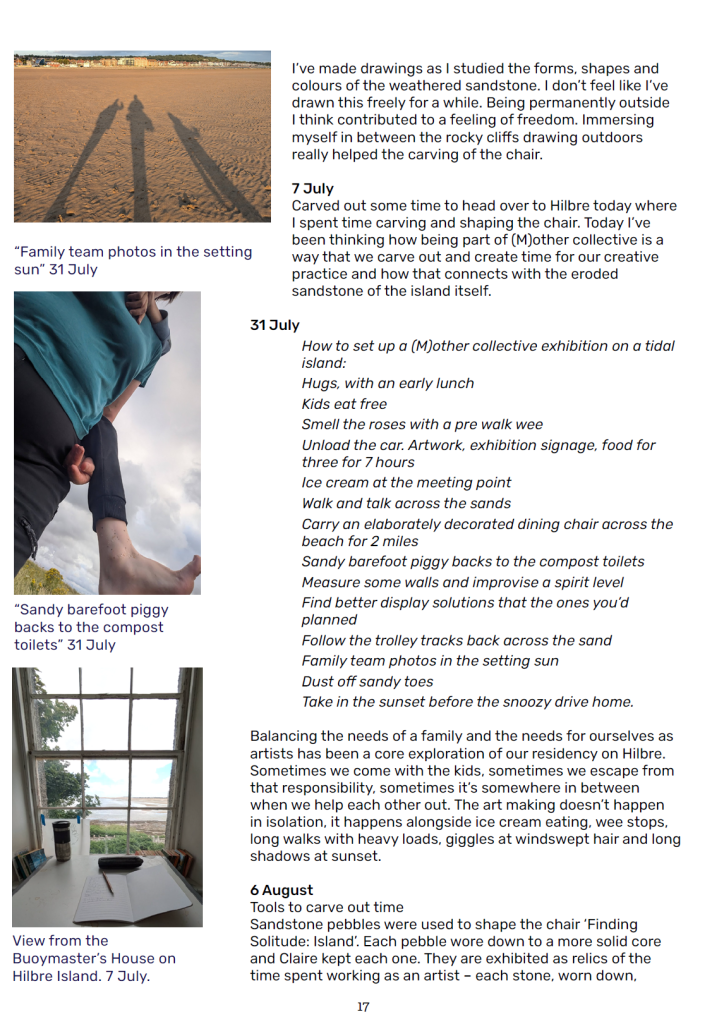
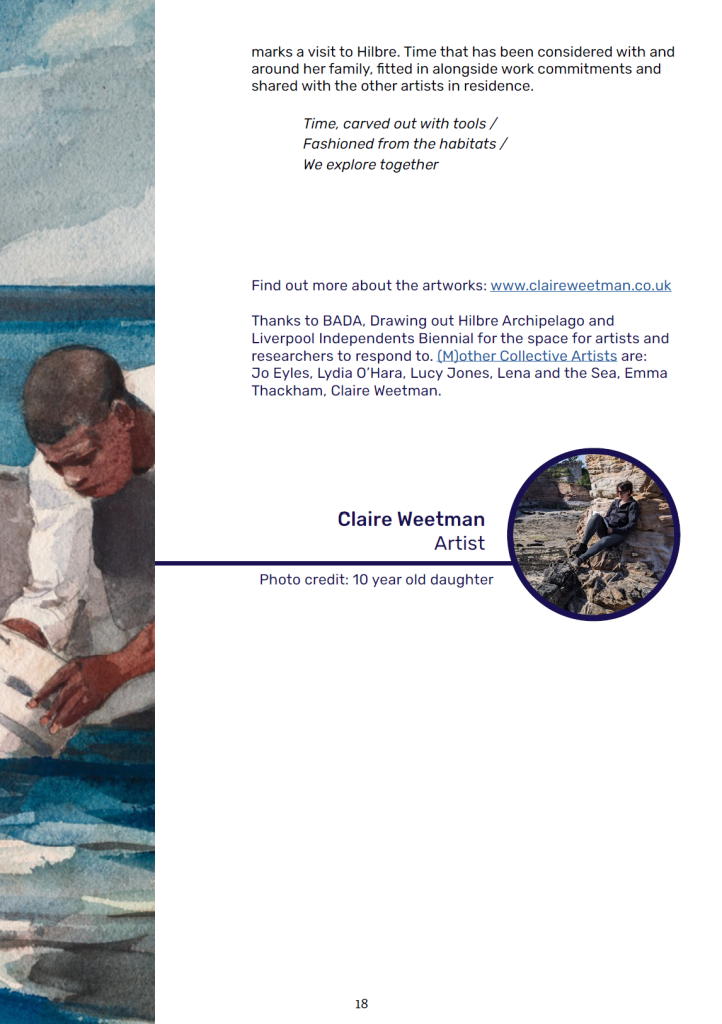
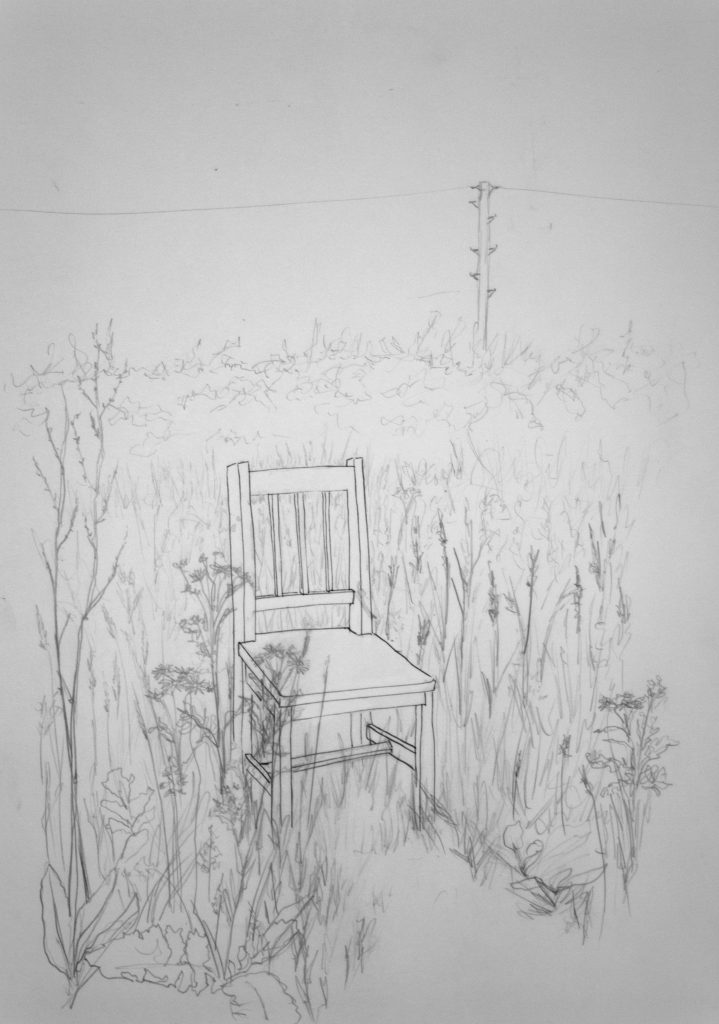
I’m adapting 3 chairs that I will place in the landscape. I’ve worked in my wild flower patch this afternoon to try and capture the feeling of the chair being surrounded by leaves and grasses. The other two chairs will be based on the tree canopy, and the strand line of the beach.

16 May
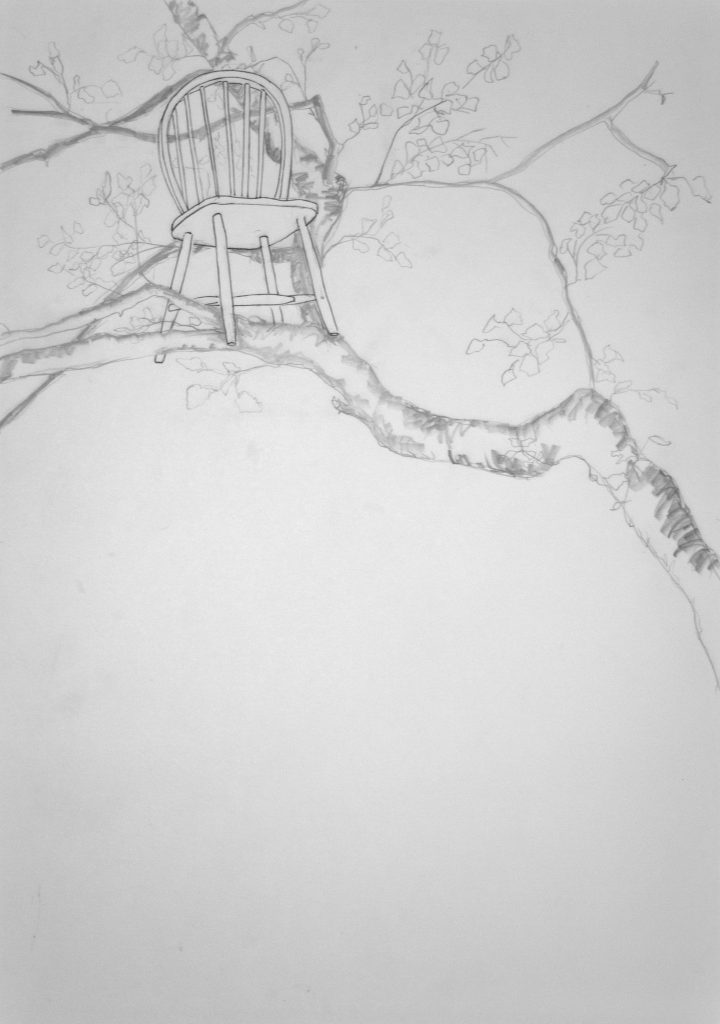
In between visits to Hilbre, I took myself off to sit among the tree tops in an arts space in St Helens, after crashing my phone to the floor this afternoon. An hour spent working on this ‘chair to sit in a tree’ has relieved the annoyance of my butter fingers and passed some time before I collect the big child from her club.

7 June
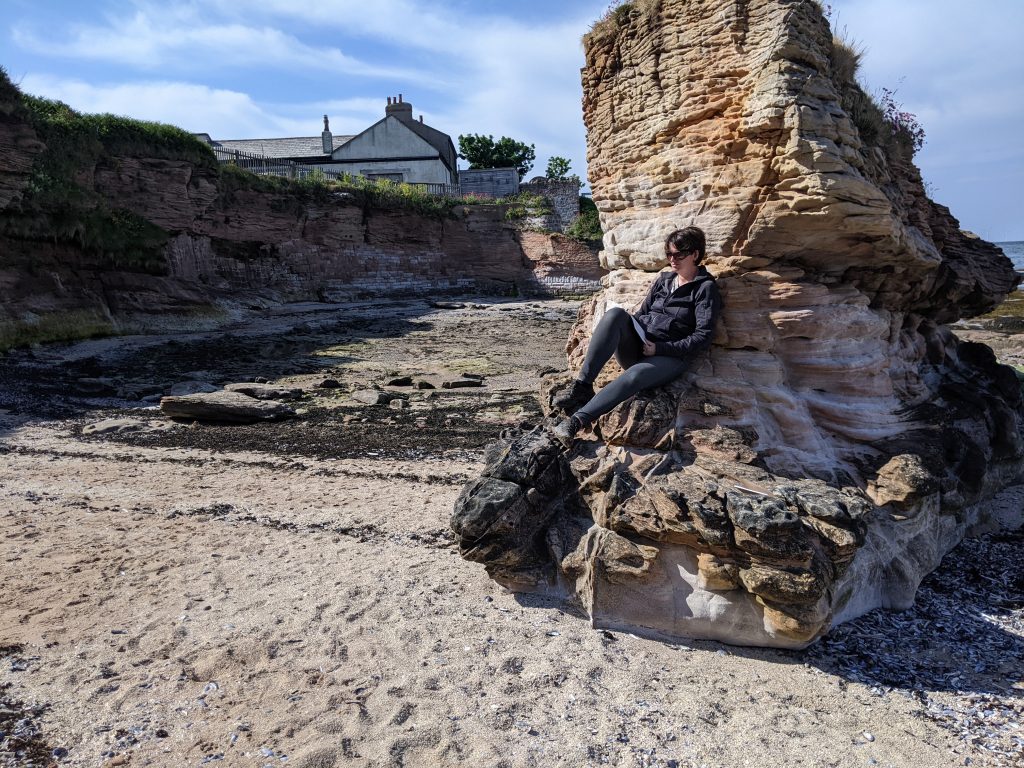
The isolation of Hilbre and the lack of power is forcing a different approach. The chair I found here is worn with rot and woodworm and it feels like the layered grooves of sandstone of the island. The battery engraver wasn’t doing what I needed, so I’ve tried making my own tools from the island:
A piece of sandstone that fits the hand and scours the wood
The edge of a mussel shell scrapes away the surface.

13 June
After a three day weekend on Hilbre I found myself mentally and physically exhausted. Six, 2-mile walks across the sands, meeting artists, exploring, helping to haul the trolley from island to mainland and physically changing the form of a chair with hand tools and rocks. I’ve made drawings as I studied the forms, shapes and colours of the weathered sandstone. I don’t feel like I’ve drawn this freely for a while. Being permanently outside I think contributed to a feeling of freedom. Immersing myself in between the rocky cliffs drawing outdoors really helped the carving of the chair.

7 July
Carved out some time to head over to Hilbre today where I spent time carving and shaping the chair. Today I’ve been thinking how being part of (M)other collective is a way that we carve out and create time for our creative practice and how that connects with the eroded sandstone of the island itself.

31 July
How to set up a (M)other collective exhibition on a tidal island:
Hugs, with an early lunch
Kids eat free
Smell the roses with a pre walk wee
Unload the car. Artwork, exhibition signage, food for three for 7 hours
Ice cream at the meeting point
Walk and talk across the sands
Carry an elaborately decorated dining chair across the beach for 2 miles
Sandy barefoot piggy backs to the compost toilets
Measure some walls and improvise a spirit level
Find better display solutions that the ones you’d planned
Follow the trolley tracks back across the sand
Family team photos in the setting sun
Dust off sandy toes
Take in the sunset before the snoozy drive home.
Balancing the needs of a family and the needs for ourselves as artists has been a core exploration of our residency on Hilbre. Sometimes we come with the kids, sometimes we escape from that responsibility, sometimes it’s somewhere in between when we help each other out. The art making doesn’t happen in isolation, it happens alongside ice cream eating, wee stops, long walks with heavy loads, giggles at windswept hair and long shadows at sunset.

6 August
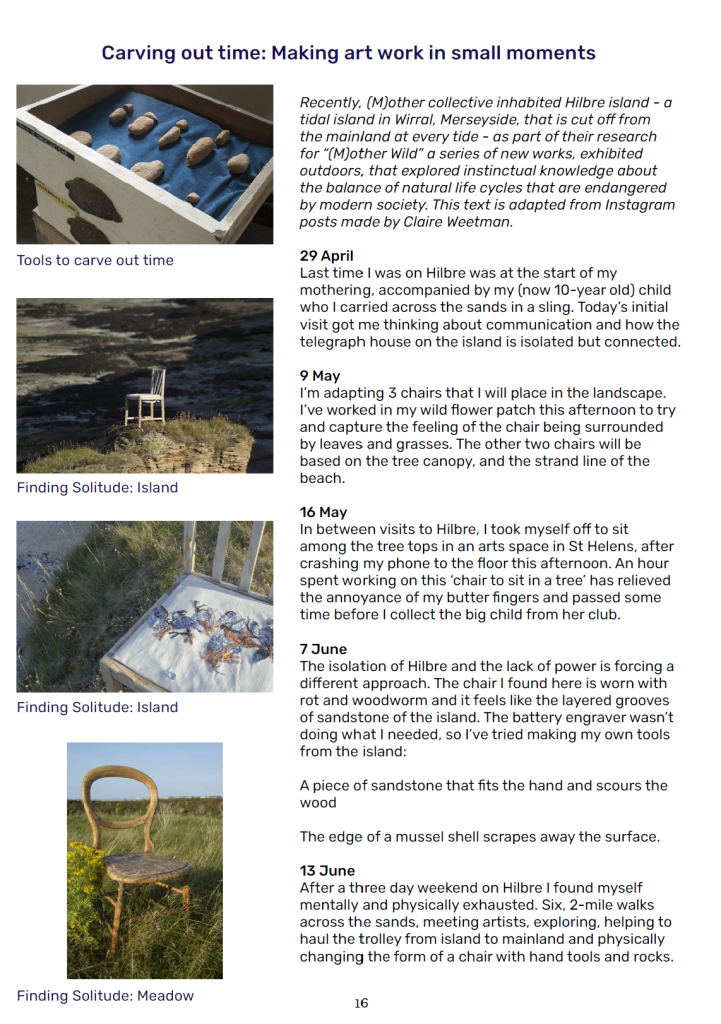
Tools to carve out time
Sandstone pebbles were used to shape the chair ‘Finding Solitude: Island’. Each pebble wore down to a more solid core and Claire kept each one. They are exhibited as relics of the time spent working as an artist – each stone, worn down, marks a visit to Hilbre. Time that has been considered with and around her family, fitted in alongside work commitments and shared with the other artists in residence.

Time, carved out with tools /
Fashioned from the habitats /
We explore together

EPILOGUE: 9 October 

Finding ‘Finding Solitude’*

Headlong into headwind

Extend the school run 

from front door 

to island shore.

Skeins break threads across the sky.

On the last journey of the season,

the final forked swallow’s tail flashes 

south over the cliff.

The meadow. Empty.

Finding Solitude is missing.

Walk the perimeter, unfurl the gate

and feel how I have missed solitude.

Did someone steal my solitude?

Is solitude abandoned under bracken?

Or has a storm swept away solitude

and smashed it into pieces against the cliff?

But wait.

Through the aperture.

Yes! Back there in the dark. 

Right at the back.

Just sticking out from an abandoned cabinet.

The silhouette of solitude.

DO NOT ENTER.

I’d recognise the turn of that leg anywhere

DANGEROUS BUILDING

like the cheek of a child whose tears I’ve wiped away.

STAY OUT

The delicate limb pokes out, the hours of attention in creation are familiarity.

No one else would have found my solitude.

I had to return and retrieve it for myself.

By myself.

And so, as the tide crashes in to surround me 

I can wait.

With my solitude.

Ready for the next season 

of observation and creation.

See you when the swallows return.


*My pyrography engraved chair, titled Finding Solitude had not been seen in its exhibition location in the meadow on Hilbre for over a month. This epilogue records my final visit to track it down as Drawing out Hilbre comes to an end.

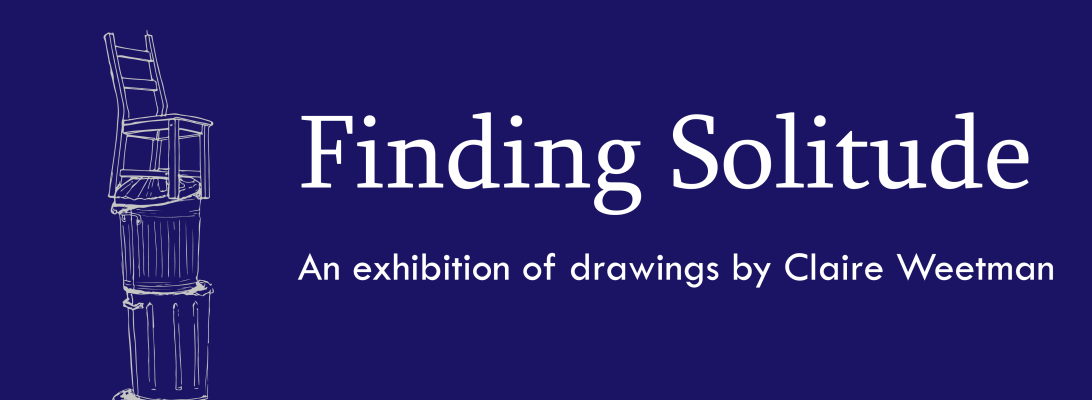
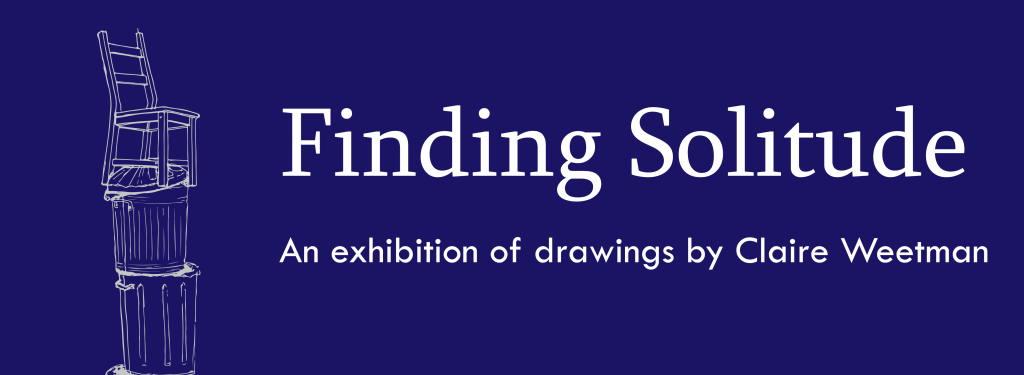
Finding Solitude – an exhibition of drawings

Venue:
The Coffee Stop Café, St Mary’s Market, St Helens, WA10 1AR
1st February – 30th March 2024
9am-5pm Monday – Saturday

You can also view the works in an online space if you are unable to make an in person visit to St Helens.
View the exhibition in an online space here

Claire Weetman presents a collection of drawings of chairs that invite you to sit down, but that time to rest alone is just out of reach.

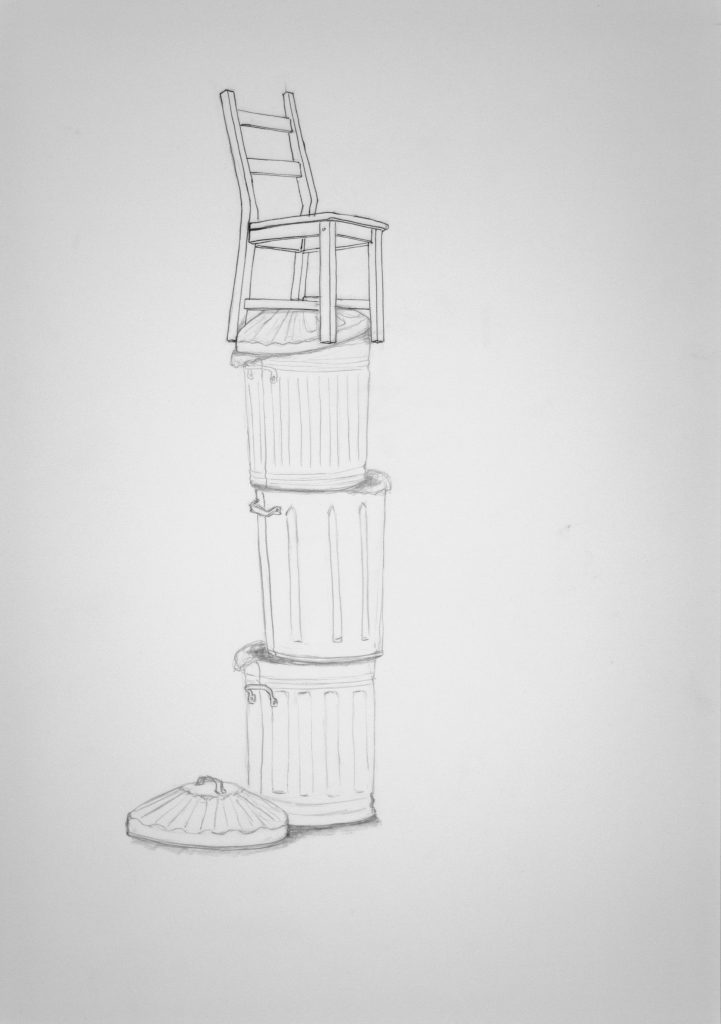
This collection of pencil drawings, created by Claire in 2023 and 2024, began by thinking about how time alone either physically or mentally is difficult to achieve as a parent. Chairs are perched precariously on branches or balanced on top of a tottering tower of bins that need emptying. The chairs are inviting, you’d quite enjoy that seat for yourself, but ultimately, all of these chairs and their offer of rest are unusable. 

Each chair is based on a real chair. Three of them were seen abandoned outside while walking to school with her children. Other drawings feature real chairs that have been moved to a more surreal setting to elaborate on the feeling of never being able to find time alone. 

Claire started making this series of drawings during an artist residency in 2023 with Wild Rumpus and (M)other Collective, where she and a group of artist-mothers stayed in the woods for 4 days. While sitting on an old wooden dining chair in the middle of a field she read Roland Barthes’ Camera Lucida. In that book he compares familiar landscapes with the maternal body. “There is no other place of which one can say with such certainty that one has already been there.” Within these drawings, Claire has aimed to capture the familiarity of a chair and to set it in a location that we feel we might have visited. But within each drawing there is some barrier, either physical or emotional, that prevents us from sitting down in peace. 

The original drawings are available to purchase at a cost of £150 each, and prints will be available at a cost of £15 each. Please use the contact form on Claire’s website if you wish to make a purchase.

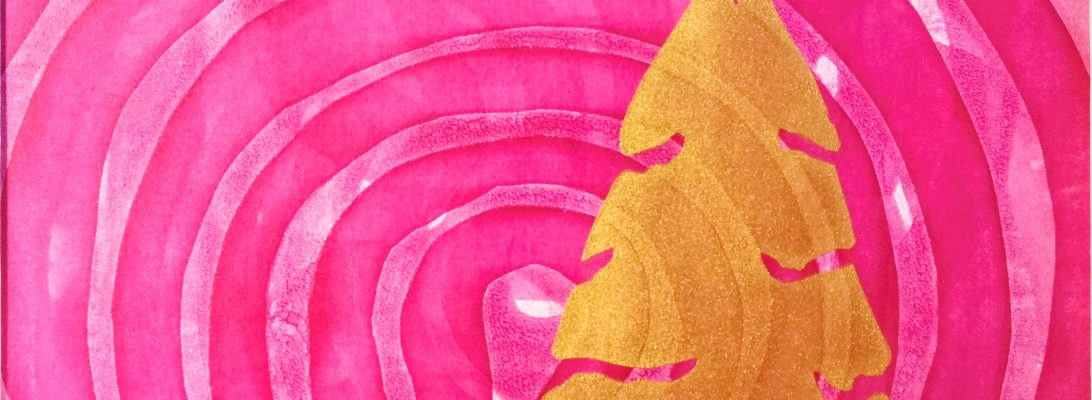
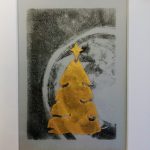
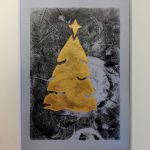
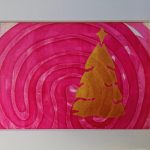
Christmas print sale, 9th December

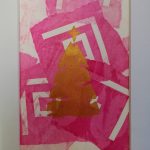
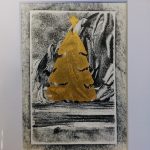
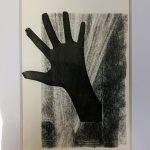
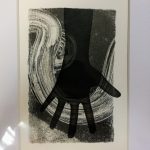
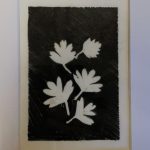
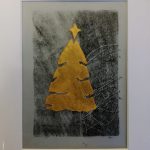
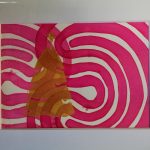
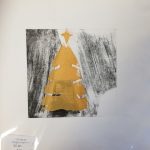
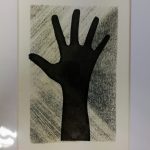
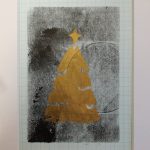
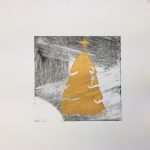
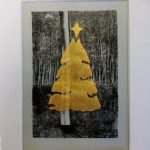
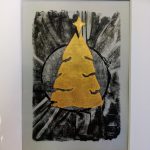
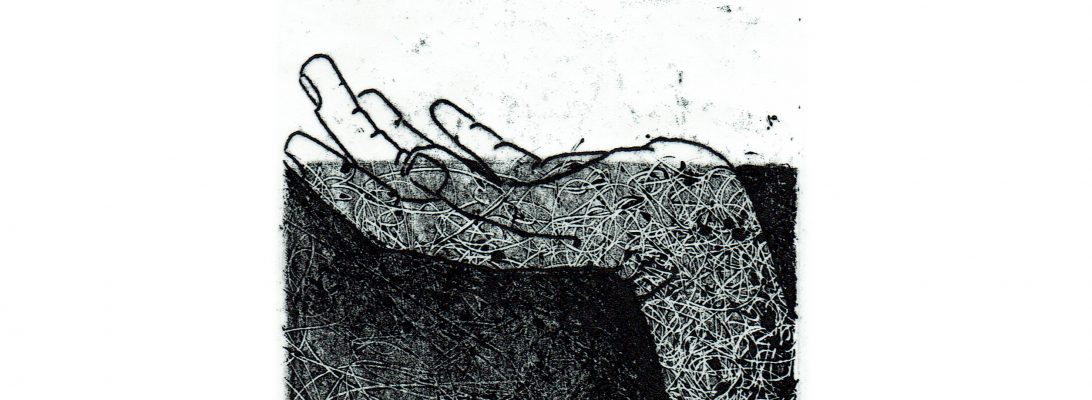
This year I’ve been making a lot (for me) of print work, exploring monoprinting and adding in a little bit of screenprint for variety. I’ve participated in the Hot Bed Press 20:20 print exchange, which saw a flurry of print activity and furrowed brows at Platform studios in St Helens as 9 other artists joined together to create a series of 25 prints at 20cm square.

To celebrate this joint enterprise, we’re having a festive celebration at Platform studios on Saturday 9th December from 1-4pm. You’ll be able to view the works produced for the exchange, see the works we’ve received from other printmakers across the UK, eat cake that has been baked to fit the 20x20cm guidelines and enjoy a warming hot chocolate.

I’ll have a selection of prints for sale, some are especially festive and others are things I’ve worked on during this year. There will be prices from £2 to £10, and all of the proceeds from these sales will be ploughed into producing a new programme of work planned for 2018 that works directly with people who have been displaced from their home countries. Available prints and prices are in the gallery below, if you see something you like but can’t make it on the 9th, then get in touch and I can post it out to you for the price of a first class stamp (an extra 75p).


First performance of ‘What are you waiting for?’

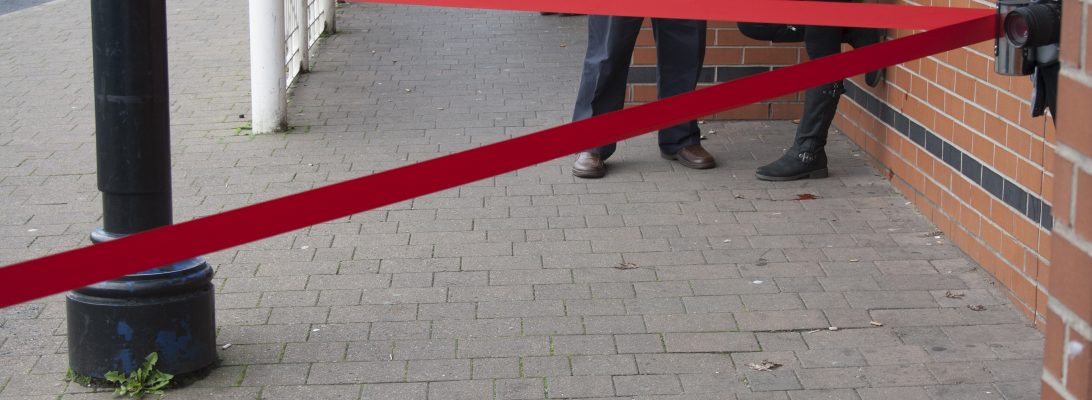
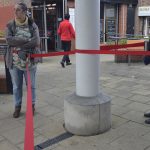
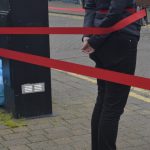
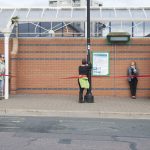
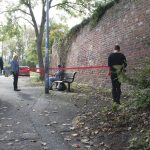
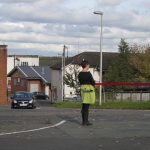
On Monday 7th October, 4 people wearing crowd control barriers on belts waited in Runcorn Old Town.

What are you waiting for?


This work is included in the exhibition ‘Interval’ at the Brindley Arts Centre, Runcorn until 25th November 2017.

For more information about the work, visit its portfolio page

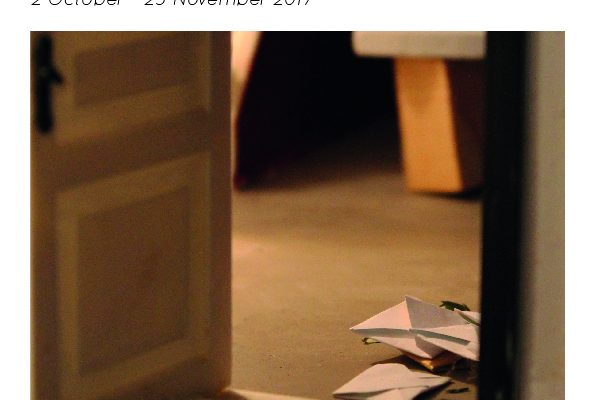
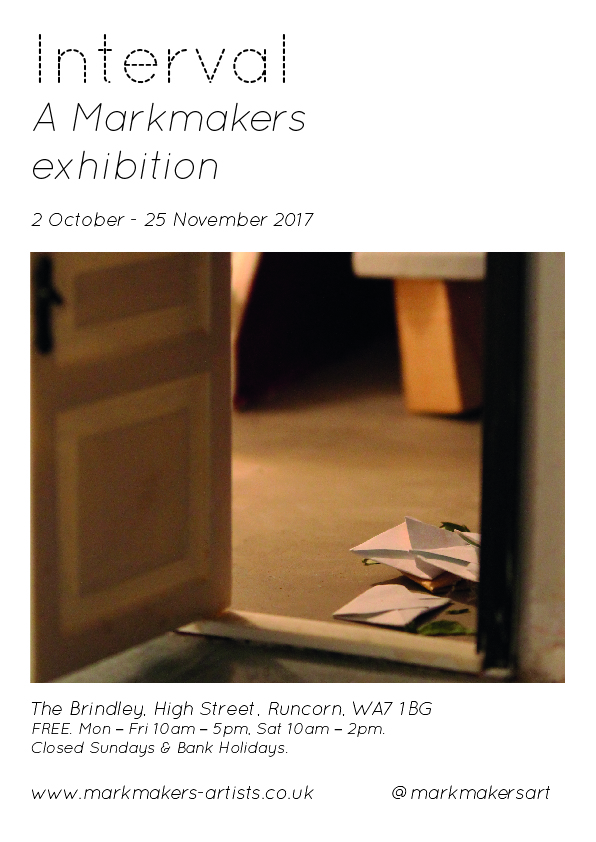
Interval – a Markmakers Exhibition

My new work, What are you waiting for? features in the latest exhibition by artist collective Markmakers, which opens at The Brindley Arts Centre, Runcorn on 2 October 2017.  This set of six custom-made belts feature retractable crowd control barriers, designed to be worn by performers in a public space, creating moveable spaces for waiting as the wearers move around a street.  The first experimental iteration of this intervention will take place in Runcorn on Monday 9th October 2017 and if you’d like to join in or come and observe, then get in touch via my contact page.

The work is part of the exhibition Interval, by Markmakers.

What is an interval?
Is it just blank space?
Is there anything of interest in the gaps?

The latest exhibition by Markmakers invites you take an interval. Step inside the punctuated, whitewashed walls of the gallery and consider self imposed breaks in life. Explore concepts of time. Sit, stand, look or listen.

Have a break, visit interval.

The Brindley Gallery, Runcorn
2 October-25 November 2017

Meet the artists event
Saturday 7 October 2017, 12:00-13:00

The Brindley, High Street, Runcorn, WA7 1BG
FREE. Mon – Fri 10am – 5pm, Sat 10am – 2pm.
Closed Sundays & Bank Holidays.
Drawings – July-September 2017

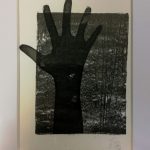
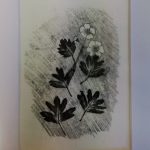
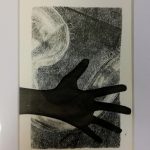
I’ve had a recent flurry of drawing activity that has had a public showing over the summer.  A pair of monoprints titled ‘Helped up/Held down’ won the Drawing category at the St Helens Open exhibition at the World of Glass, these drawings are also due to appear in a national arts publication soon, which I’ll share when it is published:

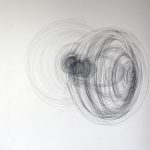
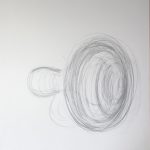
And a set of three drawings that are part of the ‘Drawing the Collection’ exhibition, also at The World of Glass. They are based on observations in the hot glass studio of The World of Glass, observing how the ellipses of glass morph and change in the process of hand blowing different vessels.

‘Drawing the Collection’ is on show at The World of Glass until Friday 3rd November 2017.

Reversal of flow – an intervention in Stoke on Trent


How does the redevelopment of a place affect the flow of people within it?  What are the small changes that affect how we find our way around?  What do these changes look like?  These are the questions that arose following my exploration of Hanley town Centre, Stoke on Trent when asked to make a new intervention as part of the Small Change exhibition at airspace gallery.

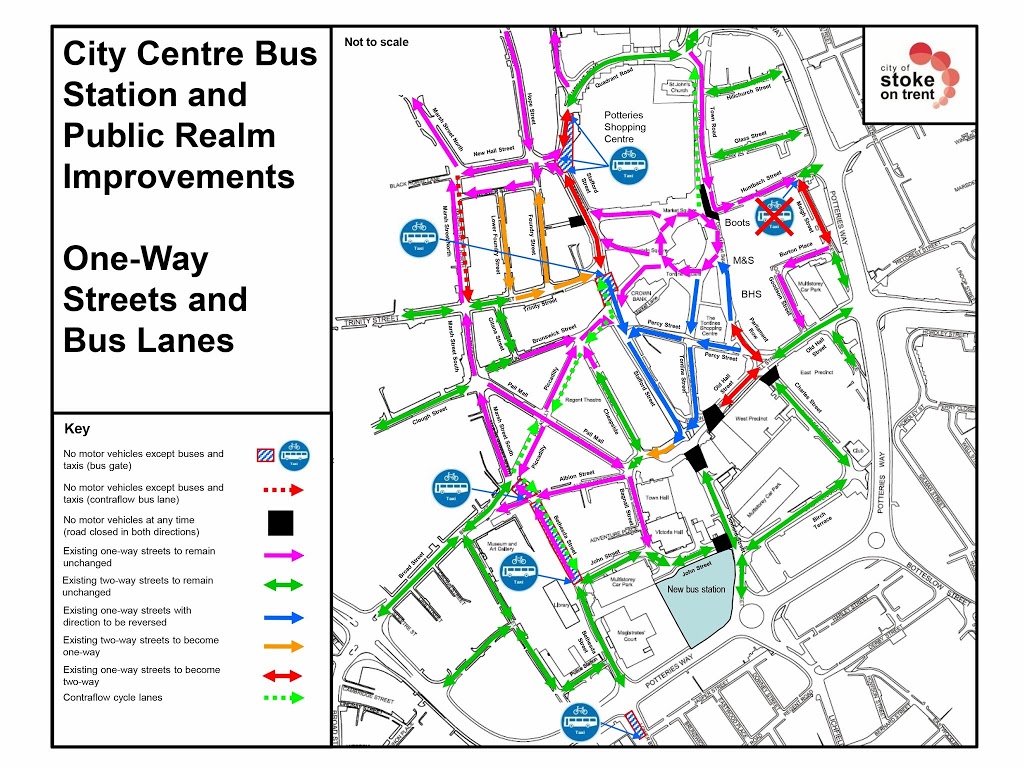
‘Change in real and imagined cities’ is the focus of the exhibition, so as part of my research I walked the streets of Hanley and Stoke looking for a space that I would respond to.  I was looking for spaces where movement occurs, the traces of something that documents a change has taken place.  At the end of my first walk I came across a number of bus shelters with signs advising that the bus stop was closed.  This space, where you expect a bus to arrive that never will, intrigued me.  The building of a shiny new bus station has formed part of a programme of changes to the town centre which involves pedestrianisation of public spaces and the re-flowing of traffic through the town centre.  Stafford Street is one of the main thoroughfares in Hanley that has had it’s one way flow of traffic reversed, resulting in four bus shelters now being on the wrong side of the street and therefore out of use.  It was this simple act of reversing the flow of traffic that I decided to make a piece of work about.

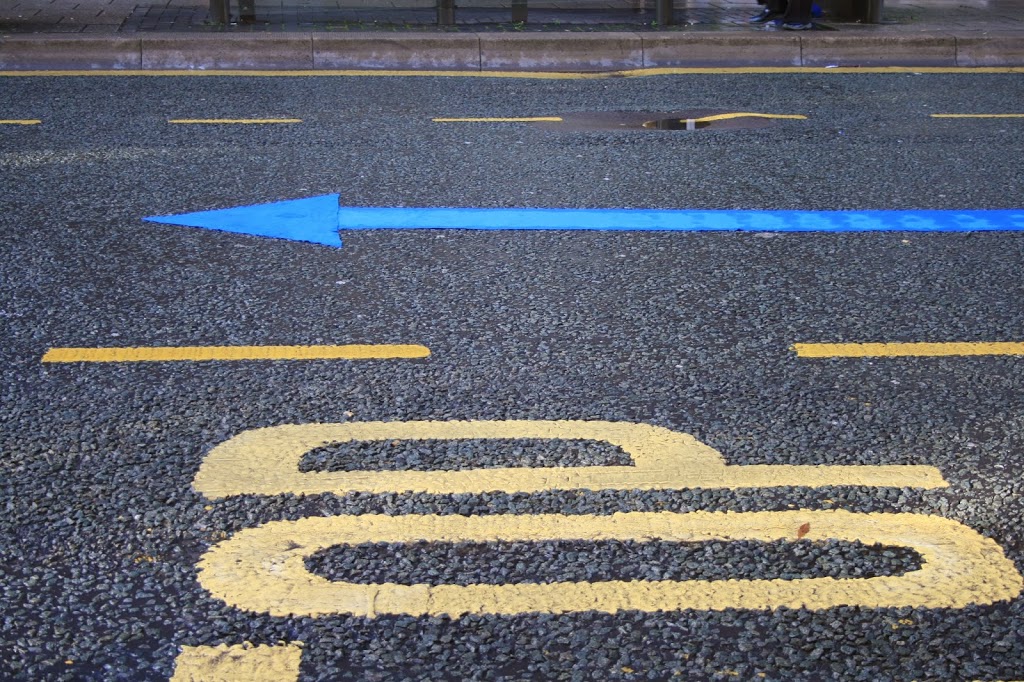
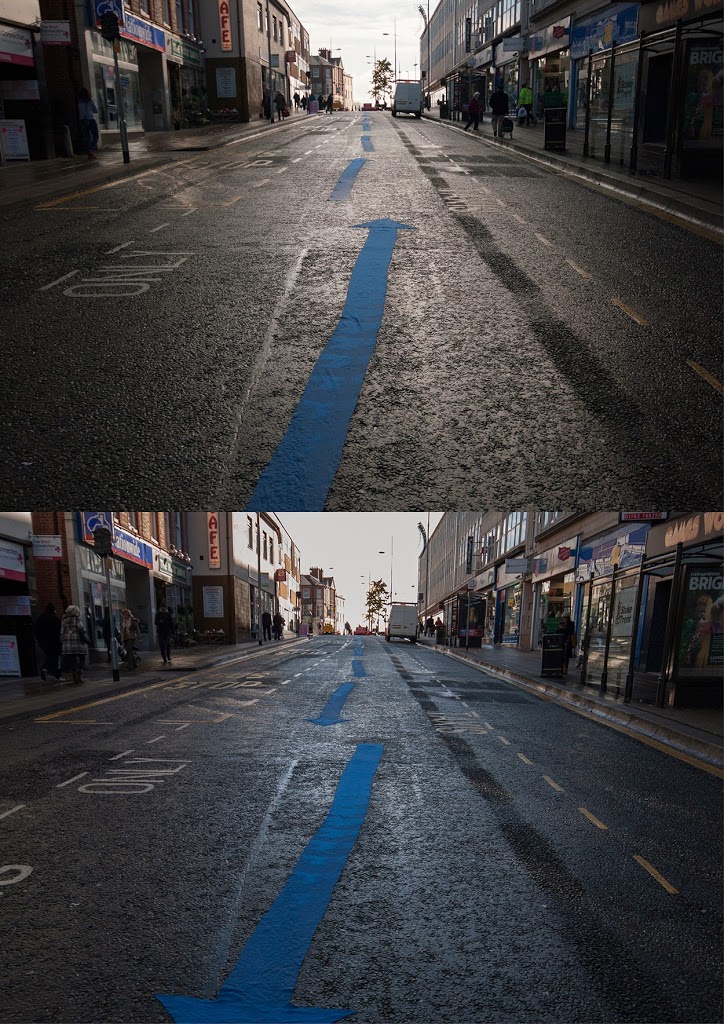
I think of public spaces as potential surfaces to make a drawing on, with the lines I draw or the marks I make describing some sort of movement within that space.  I hatched a plan to mark how the movement on this street had been altered using blue arrows that referenced both the standard ‘one way’ signs and the plans issued by the City Council to communicate the re-organisation of the road network.
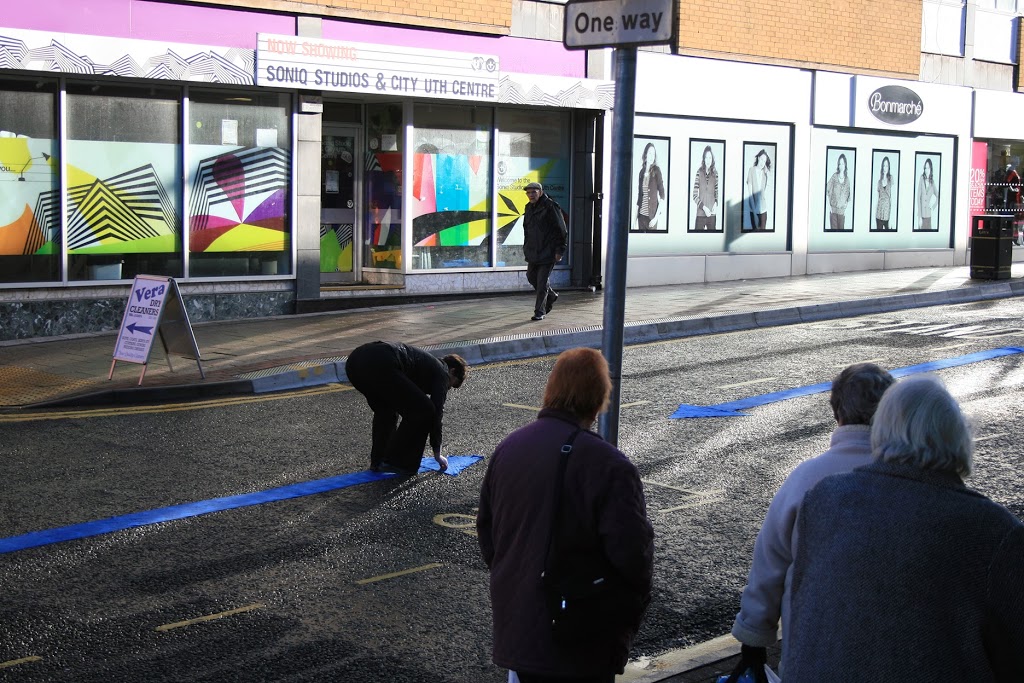
I laid ten 6m long lines cut from blue felt fabric along the centre of Stafford Street in Hanley, Stoke on Trent, cutting between other road markings.  Starting at the south end of the road, which has been closed at one end for public realm improvements, I placed a blue triangle on the far end of the blue line, creating an arrow pointing uphill.  Repeating this action for each of the lines resulted in a passageway of arrows all pointing north.  Passers by asked questions of my photographers, a delivery driver drove his van ever so slowly alongside the arrows taking great care not to drive over them and one man asked me where the taxi rank had moved to.  I started to notice where the previous road markings for the bus stops had been burnt and chipped away leaving a coarse road surface.  After a short pause after reaching the top of the street I removed the arrowhead from one end of the line and placed it at the other end.  Repeating this action, the flow of the drawing changed to end up with all the arrows pointing downhill.  Another short pause, then repeat; turn all the arrows to face uphill, pause, turn all the arrows to face downhill.  Then remove the arrows from the street and leave.